 EN
EN
 AR
AR
 DA
DA
 NL
NL
 FI
FI
 FR
FR
 DE
DE
 EL
EL
 HI
HI
 IT
IT
 NO
NO
 PL
PL
 PT
PT
 RO
RO
 RU
RU
 ES
ES
 SV
SV
 ID
ID
 LV
LV
 SR
SR
 SK
SK
 UK
UK
 SQ
SQ
 ET
ET
 HU
HU
 FA
FA
 AF
AF
 MS
MS
 GA
GA
 CY
CY
 UR
UR
 EO
EO
 LA
LA
 MN
MN
 TG
TG
 UZ
UZ
 HAW
HAW
 KY
KY
 XH
XH
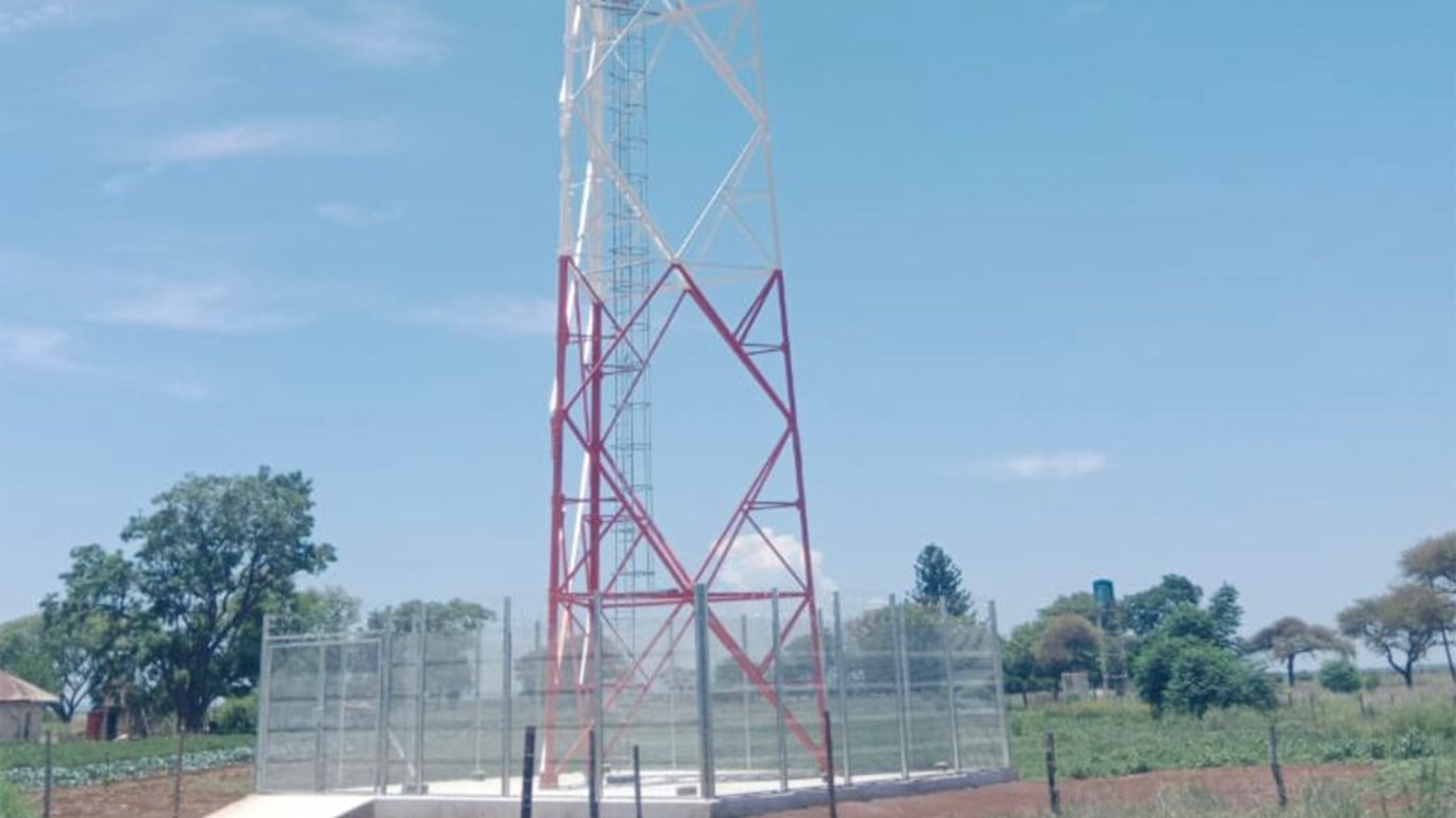
Here are the key differences between 3-legged and 4-legged angular steel towers
Stability - 4-legged towers provide better stability and resistance to lateral loads from wind and uneven terrain. 3-legged towers can require bracing.
Footprint - 4-legged towers have a wider base footprint and spacing between legs for improved support. 3-legged designs occupy less space.
Loading - Weight distribution is more even on 4 legs. 3-legged towers concentrate more load on each leg and foundation.
Height - 4-legged towers can typically reach greater heights while maintaining strength and stability.
Access - Getting access between legs for maintenance can be easier with 3 legs. 4 legs can be more cramped.
Aesthetics - Some may find 3-legged towers more aesthetically pleasing and less visually intrusive.
Cost - 3-legged towers use less material and have simpler foundations, reducing overall cost.
Modularity - 3-legged sections can be more modular for easy transport and assembly. 4-legged sections are heavier.
Redundancy - 4-legged towers offer more redundancy if failure of one leg occurs.
Applications - 4 legs are commonly used for larger transmission towers and in areas prone to high winds. 3 legs for smaller distribution towers.
In summary, 4 legs offer better stability and strength while 3 legs provide more space savings and access. The choice depends on loading, height, cost, and site-specific requirements.